
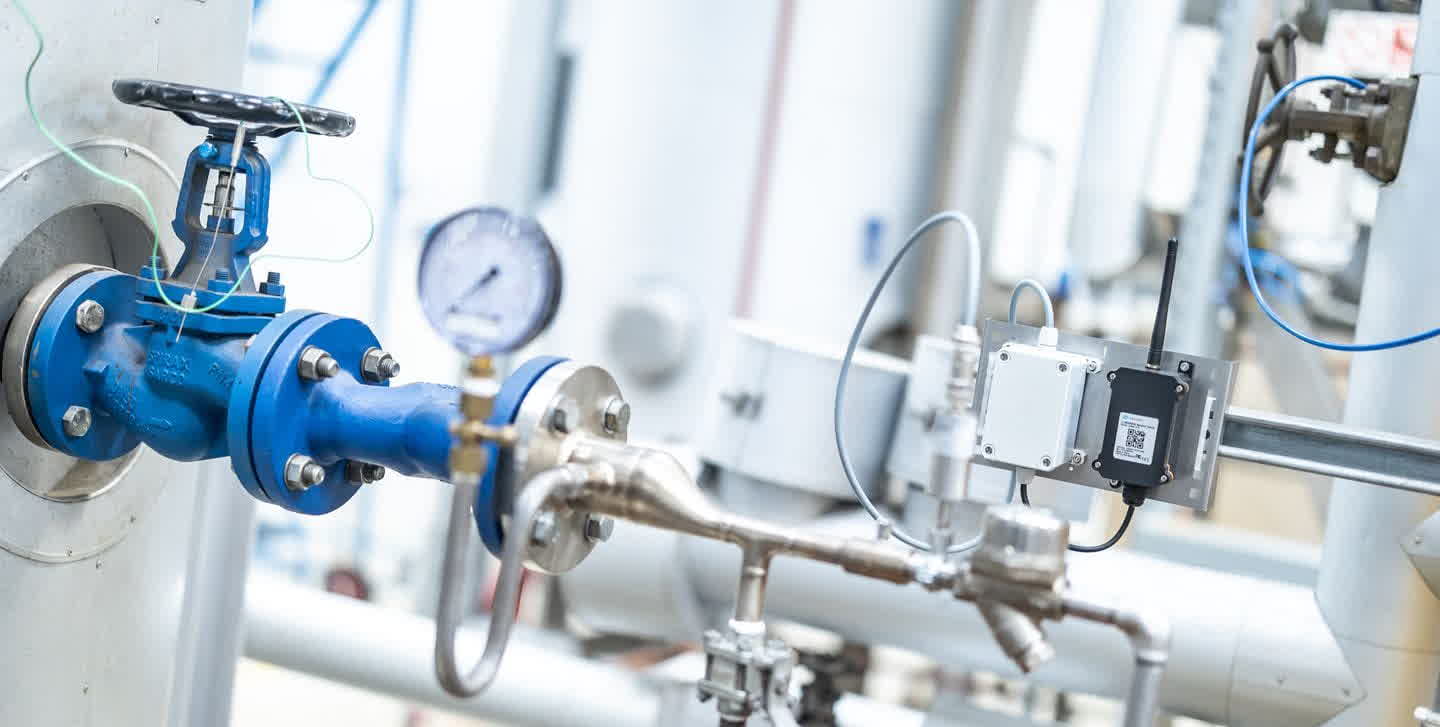
In any steam system, there is one component whose importance cannot be overstated. From a simple steam and condensate loop to a complex operation, the steam trap’s role is crucial: to discharge condensate and non-condensable gases while stopping live steam from escaping.
Of course, we’re talking about the steam trap. With over 200 years of history, its impact on any steam system is huge. Today, its role is more vital than ever, as it is key to maintaining thermal process efficiency and sustainability.
The Traditional Approach to Steam Trap Maintenance
Anyone responsible for a steam system knows the importance of steam trap performance. A failed steam trap can lead to significant issues, such as unscheduled production downtime and increased energy costs. For organisations focused on sustainability and profitability, regular steam trap surveys are considered best practise. The survey or audit frequency depends on the steam system in place. For instance, the U.S. Department of Energy recommends the following intervals based on operating pressure:
High Pressure (150 psig and above): Weekly to Monthly
Medium Pressure (30 to 150 psig): Monthly to Quarterly
Low Pressure (below 30 psig): Yearly
These are recommended intervals, not mandatory standards.
While statistics on steam trap failures vary, one thing is clear: steam traps will fail, whether by remaining permanently open or closed. Estimates suggest that an average-quality steam trap could only last four years, compared to double this for higher-quality options, such as those offered by Spirax Sarco.
Connect Your Steam System Today
Steam traps will remain a key part of any steam system, but we can evolve how we manage them. By adopting smarter solutions like wireless steam trap monitoring, you can ensure that your connected steam traps operate at peak efficiency and avoid the limitations of manual steam trap monitoring.
Optimise your steam generation, distribution, and use with Spirax Sarco.